1. Find what matters.
We connect your vision, your customers’ world, and the change your product brings. Together, we find what the identity needs to express.
You have a vision for the company. We help turn it into an identity people can understand, feel, and recognise as yours.
We connect your vision, your customers’ world, and the change your product brings. Together, we find what the identity needs to express.
We shape an identity you recognise yourself in and your team can build around. Then we carry that character into your website, product, and launch materials.
Your team can create new pages, campaigns, and features without losing the character. Brand guidance, tailored AI tools, and .md files help carry the identity into new work.
AI reaches the next step faster - notes, research, drafts, checks. Taste and the final call stay ours.
Show us what you are building, what is changing, and where the current work falls short. A product, a prototype, a deck, or an existing site gives us somewhere to start. Tell us about any deadline or budget constraint. You do not need to write a polished brief first.
Our co-founder Dima Lepokhin is the product owner on every project at heartbeat and takes direct responsibility for the result. You work with Dima and the designers shaping your brand, with no account-management layer in between.
We usually start with an intensive sprint lasting a month or longer, with a fixed scope agreed upfront. After that, we can move into monthly support if you need it. We do not bill by the hour.
Yes. Existing strategy, identity, research, and product decisions are useful inputs. We keep what holds up and explain what needs attention. A focused product or website project does not automatically require a full rebrand.
Your team can continue with the files, examples, and guidance we build into the handover. We can also work alongside your designers or stay as your design team. Ongoing support is a separate conversation about the work you actually need next.
HYROS had grown, but its identity had not kept pace with the product and the companies using it.
We brought research, brand identity, UI, motion, and the website together for a six-week launch. The work continued with the HYROS design team across marketing, product, and the website.
“Spirit. Independence, you don't need to babysit them.”
Ivan P., COO, HYROS
Read the review on Clutch
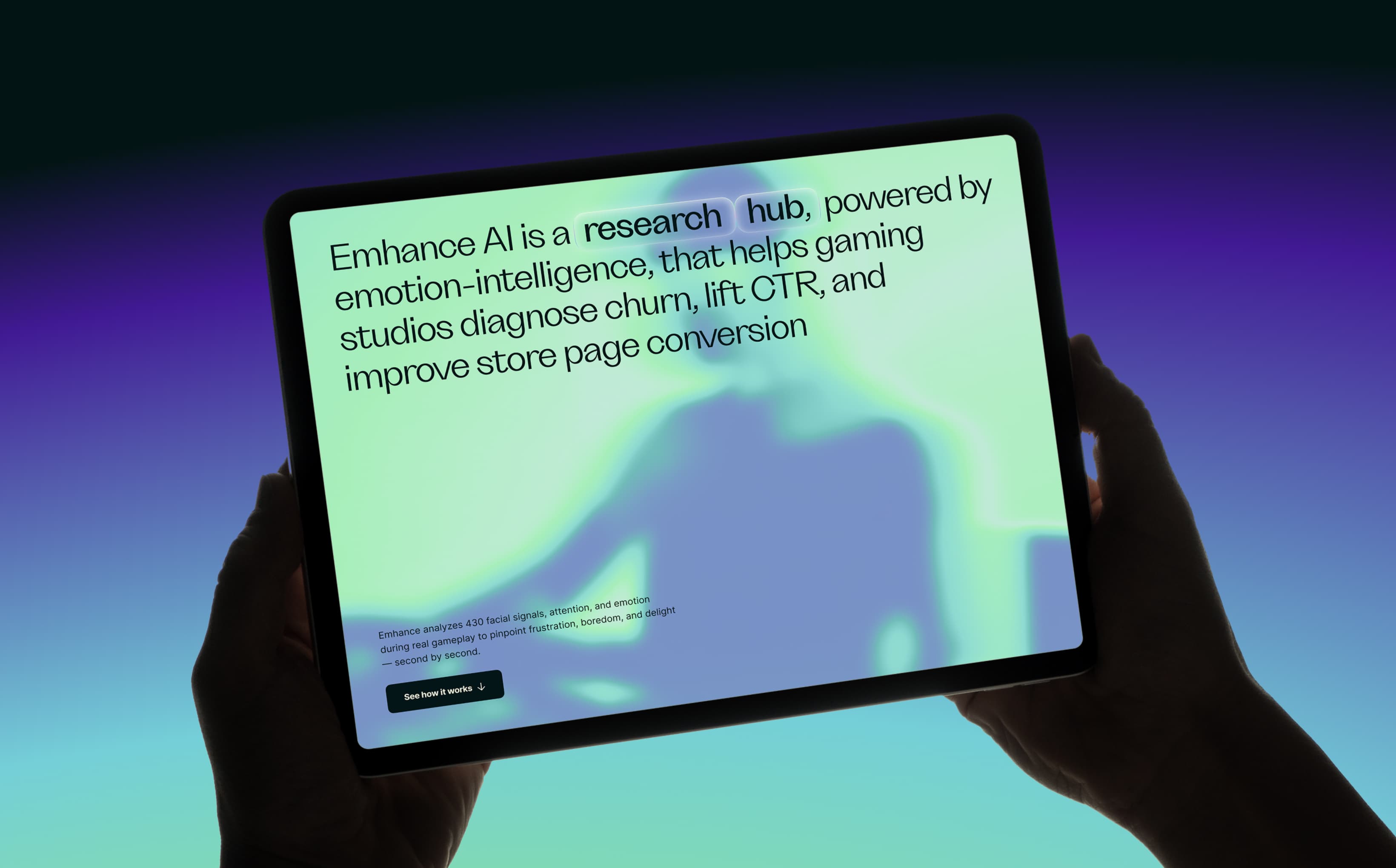
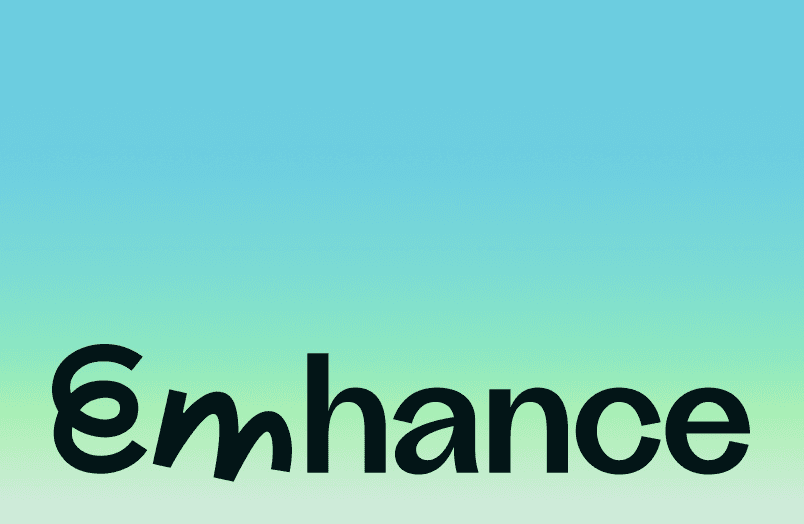
Sensemitter was becoming Emhance. The gaming research company needed a name, identity, and website that could speak to game studios and investors.
We worked through naming, the wordmark, colour and typography, then carried the identity into the website and launch video.
“They understood what we were looking for quickly and found excellent solutions.”
David Hartery, Head of Marketing, Emhance
Read the review on Clutch
Tell us what you are building and what needs to change. We will use the first 30 minutes to understand the project and see whether it makes sense to work together.