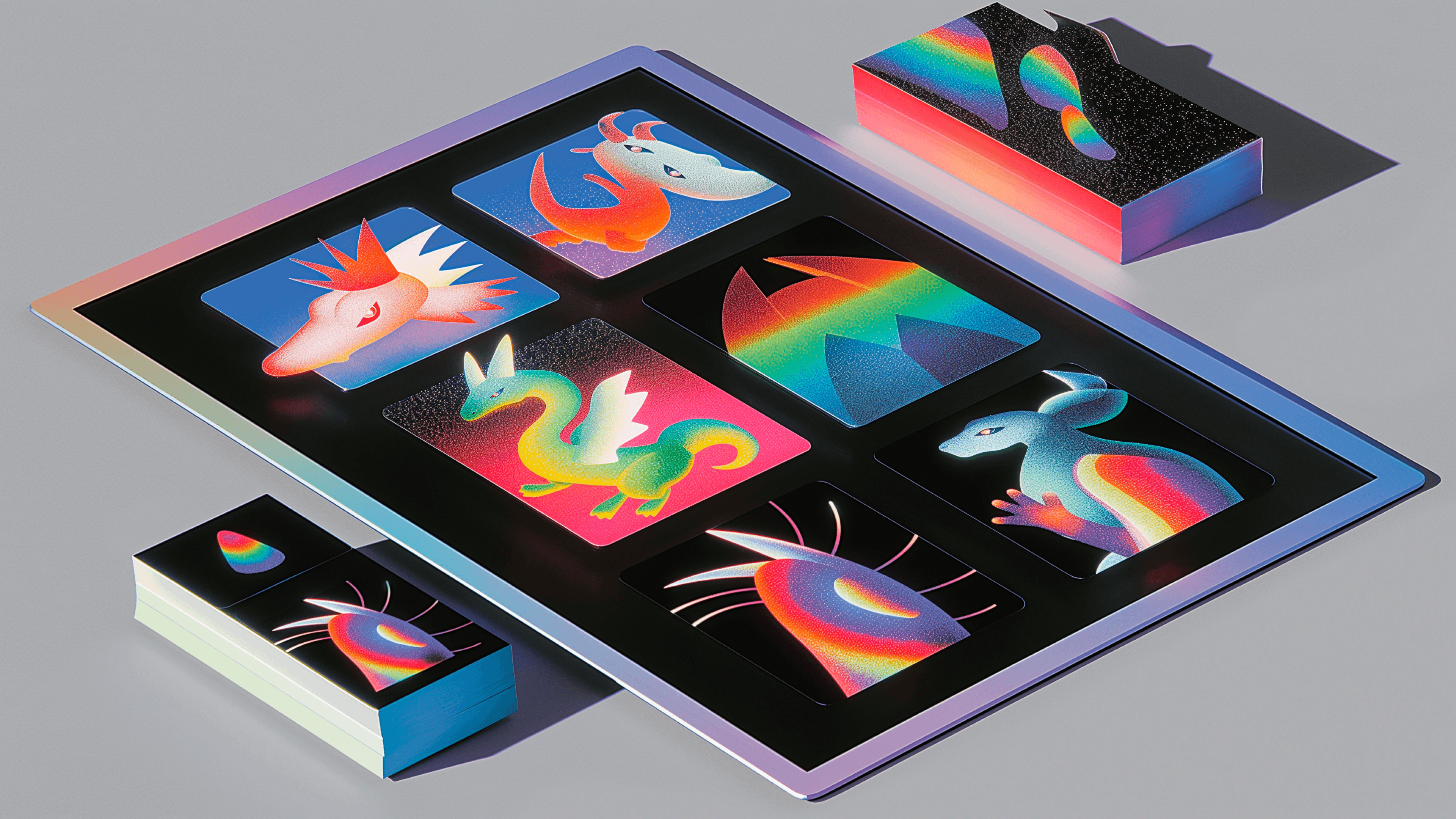
NFT app design has to make ownership, wallet connection, drops, marketplaces, royalties, collection browsing, and transaction states easy to understand. The visual layer can be expressive, but the product still needs trust and clarity.
Core NFT app flows
| Flow | Design requirement |
|---|
| Onboarding | Explain wallet, account, and collection basics |
| Drop | Show timing, supply, price, eligibility, and mint state |
| Marketplace | Make filters, asset traits, pricing, and ownership clear |
| Transaction review | Show asset, fee, recipient, network, and finality |
| Collection management | Support organizing, hiding spam, and verifying assets |
Onboarding
- Design requirement
- Explain wallet, account, and collection basics
Drop
- Design requirement
- Show timing, supply, price, eligibility, and mint state
Marketplace
- Design requirement
- Make filters, asset traits, pricing, and ownership clear
Transaction review
- Design requirement
- Show asset, fee, recipient, network, and finality
Collection management
- Design requirement
- Support organizing, hiding spam, and verifying assets
Trust and transaction UX
NFT products fail quickly when users cannot tell whether an item is verified, what they are signing, or what fee they will pay. Trust belongs inside the transaction flow, not only on a marketing page.
Marketplace patterns
Use clear asset metadata. Traits, edition, creator, contract, and ownership history should be scannable.
Separate browse and buy states. Exploration can be rich; purchase needs restraint.
Handle empty states. No collection, failed mint, pending transaction, and hidden spam assets all need clear copy.
Related reading
For wallet context, read Web3 UX/UI design for crypto wallets. For wider Web3 design, see what Web3 design means.