UX design firms help digital product teams understand users, reduce friction, design clearer flows, test decisions, and connect product experience to business outcomes.
The work can include research, product strategy, UX audits, information architecture, interface design, prototyping, usability testing, design systems, and implementation support. The exact scope depends on the product problem.
What a UX design firm does
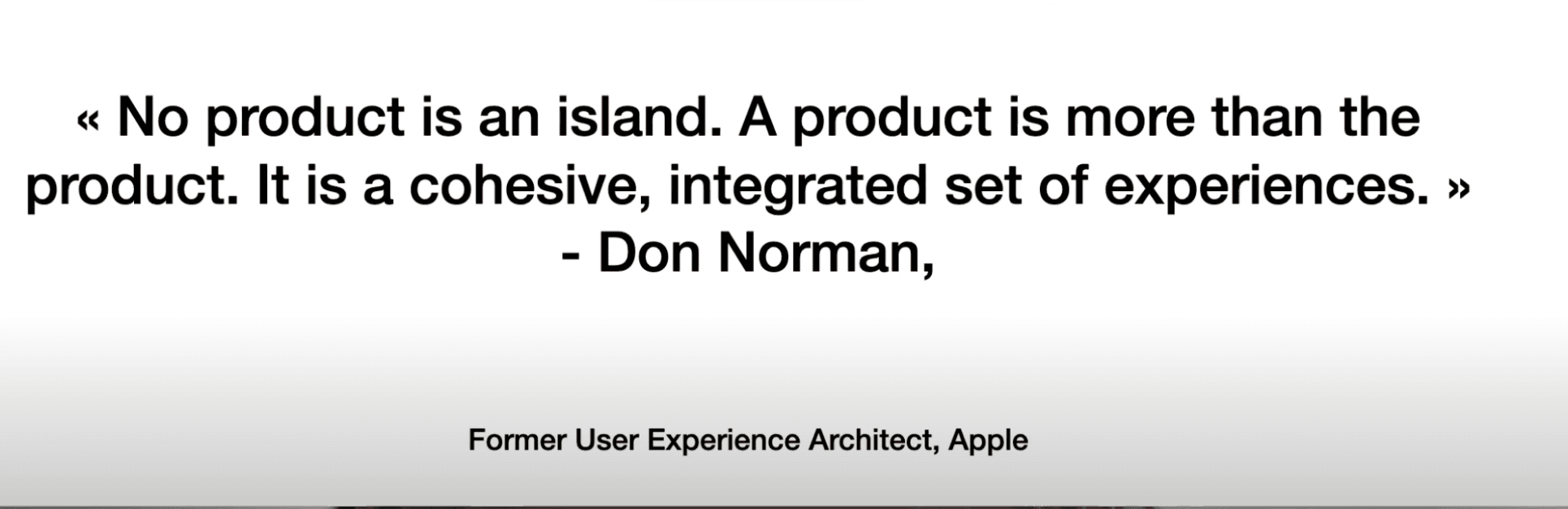
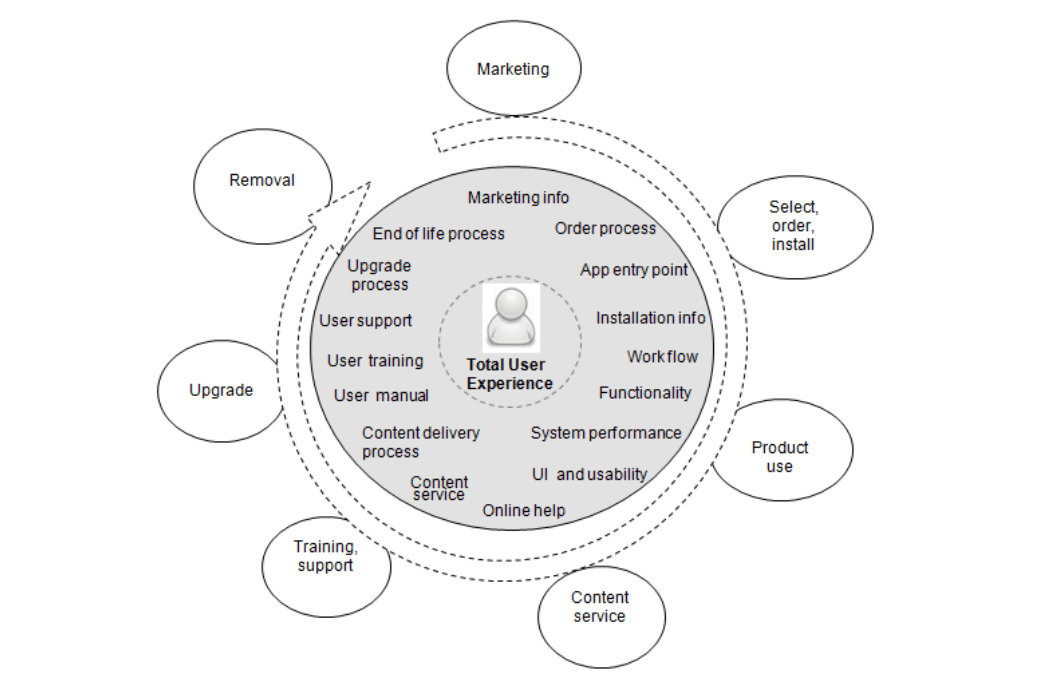
A UX design firm studies how people use a product, then turns that evidence into better product structure, flows, interface patterns, and decisions. Good UX work is not only visual. It changes what users can understand and complete.
| Work area | What it answers |
|---|
| Research | Who uses the product, what they need, where they struggle |
| UX audit | What is unclear, broken, slow, hidden, or creating drop-off |
| Information architecture | How content, features, and navigation should be organized |
| User flows | How people move from intent to result |
| UI design | How the product should look, behave, respond, and scale |
| Testing | Whether users can complete key tasks before build or after release |
| Design system | How teams keep interface decisions consistent over time |
Research
- What it answers
- Who uses the product, what they need, where they struggle
UX audit
- What it answers
- What is unclear, broken, slow, hidden, or creating drop-off
Information architecture
- What it answers
- How content, features, and navigation should be organized
User flows
- What it answers
- How people move from intent to result
UI design
- What it answers
- How the product should look, behave, respond, and scale
Testing
- What it answers
- Whether users can complete key tasks before build or after release
Design system
- What it answers
- How teams keep interface decisions consistent over time
For SaaS and B2B products, the firm often works around activation, onboarding, dashboard clarity, permissions, integrations, billing, empty states, admin workflows, and repeated use.
Common UX firm services
| Service | Useful when |
|---|
| UX audit | The product exists, but users drop off or ask the same questions |
| Product discovery | The team is not sure which problem to solve first |
| Prototype design | A new workflow needs to be tested before engineering investment |
| Usability testing | The team needs evidence before redesign or launch |
| SaaS UX/UI design | The product needs clearer flows, dashboard structure, and UI system |
| Design system | Multiple teams ship inconsistent interface decisions |
| Implementation support | Design quality needs to survive handoff into build |
UX audit
- Useful when
- The product exists, but users drop off or ask the same questions
Product discovery
- Useful when
- The team is not sure which problem to solve first
Prototype design
- Useful when
- A new workflow needs to be tested before engineering investment
Usability testing
- Useful when
- The team needs evidence before redesign or launch
SaaS UX/UI design
- Useful when
- The product needs clearer flows, dashboard structure, and UI system
Design system
- Useful when
- Multiple teams ship inconsistent interface decisions
Implementation support
- Useful when
- Design quality needs to survive handoff into build
A narrow UX audit can be enough for one broken flow. A full product redesign needs deeper research, product strategy, interface design, and implementation support.
When to hire one
Users understand the value but fail during setup.
Sales demos work, but self-serve onboarding does not.
Support tickets repeat the same usability problems.
A product has grown feature by feature and now feels hard to navigate.
Conversion, activation, or retention depends on a confusing workflow.
The team needs a design system before scaling product work.
Hiring a UX firm too early can be wasteful if the product problem is not formed yet. Hiring too late can make redesign more expensive because the product already has accumulated structure, assumptions, and technical debt.
What to check before hiring
| Check | Why it matters |
|---|
| Relevant product type | B2B SaaS, fintech, Web3, ecommerce, healthcare, and developer tools have different UX risks |
| Evidence quality | Look for case work that explains decisions, not only polished screens |
| Implementation thinking | Design that cannot be built or maintained will not hold |
| Research judgment | The firm should scale research to risk, not over-process every task |
| Business connection | UX work should connect to activation, conversion, retention, support, or trust |
| Writing quality | UX copy, labels, states, errors, and explanations are part of the product |
Relevant product type
- Why it matters
- B2B SaaS, fintech, Web3, ecommerce, healthcare, and developer tools have different UX risks
Evidence quality
- Why it matters
- Look for case work that explains decisions, not only polished screens
Implementation thinking
- Why it matters
- Design that cannot be built or maintained will not hold
Research judgment
- Why it matters
- The firm should scale research to risk, not over-process every task
Business connection
- Why it matters
- UX work should connect to activation, conversion, retention, support, or trust
Writing quality
- Why it matters
- UX copy, labels, states, errors, and explanations are part of the product
How to measure the work
UX work should be measured through user and product signals. Google’s HEART framework is useful because it separates happiness, engagement, adoption, retention, and task success instead of treating “engagement” as one vague metric.
| Goal | Possible metric |
|---|
| Reduce friction | Task completion, time on task, error rate, support questions |
| Improve onboarding | Activation rate, setup completion, time to first value |
| Improve trust | Qualitative feedback, objection rate, completion of high-risk actions |
| Improve retention | Repeat use, feature adoption, cohort retention |
| Improve conversion | Qualified signup, demo conversion, checkout completion, form completion |
Reduce friction
- Possible metric
- Task completion, time on task, error rate, support questions
Improve onboarding
- Possible metric
- Activation rate, setup completion, time to first value
Improve trust
- Possible metric
- Qualitative feedback, objection rate, completion of high-risk actions
Improve retention
- Possible metric
- Repeat use, feature adoption, cohort retention
Improve conversion
- Possible metric
- Qualified signup, demo conversion, checkout completion, form completion
The best measurement is chosen before redesign starts. Otherwise the team is left judging UX by taste after launch.
Related reading
For the difference between interface and experience, read what UI/UX for SaaS means. For frameworks behind UX decisions, see what UX frameworks are. For improving an existing flow, read five ways to improve user experience.