Our Story: The History Behind heartbeat
Pre-History
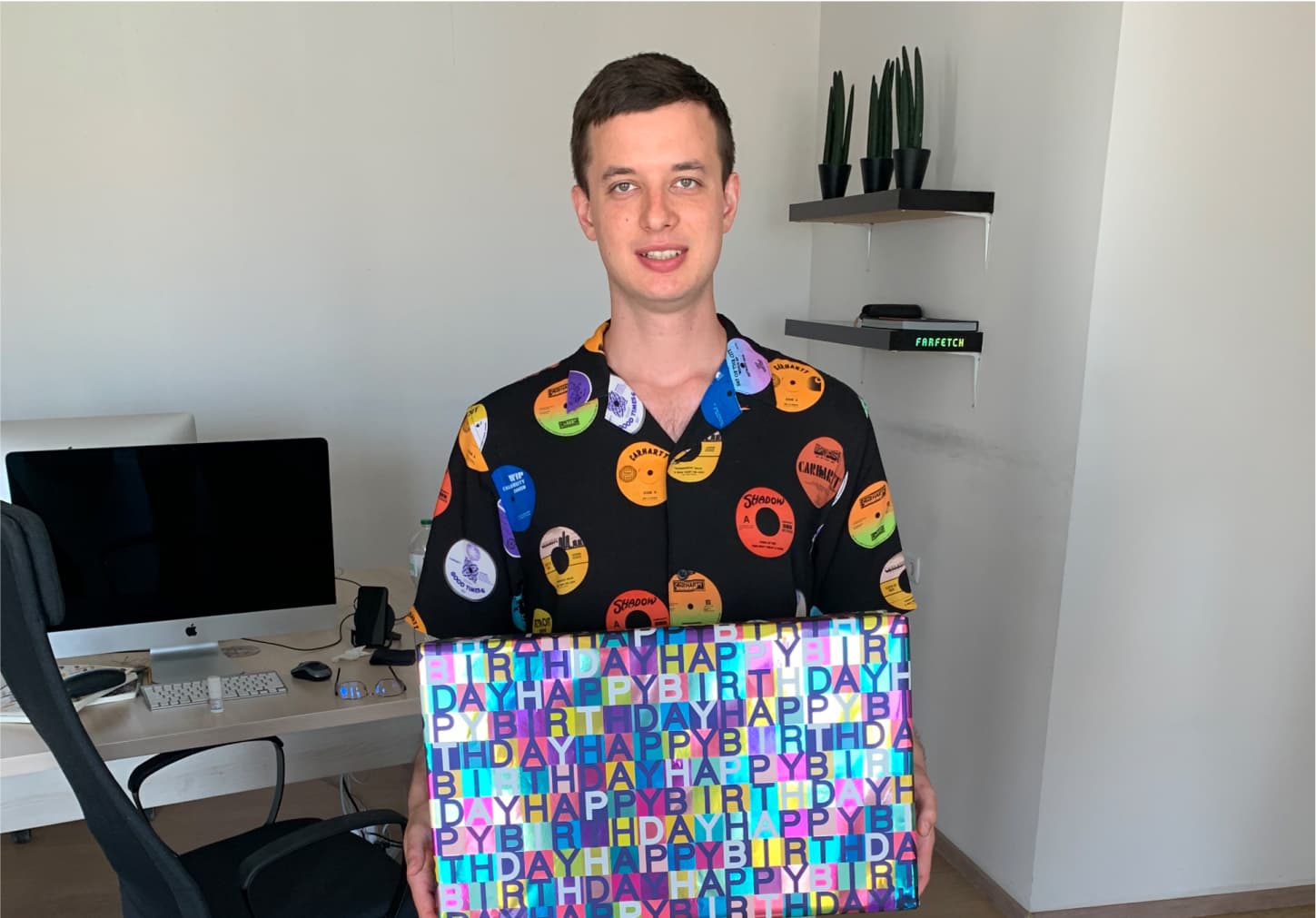
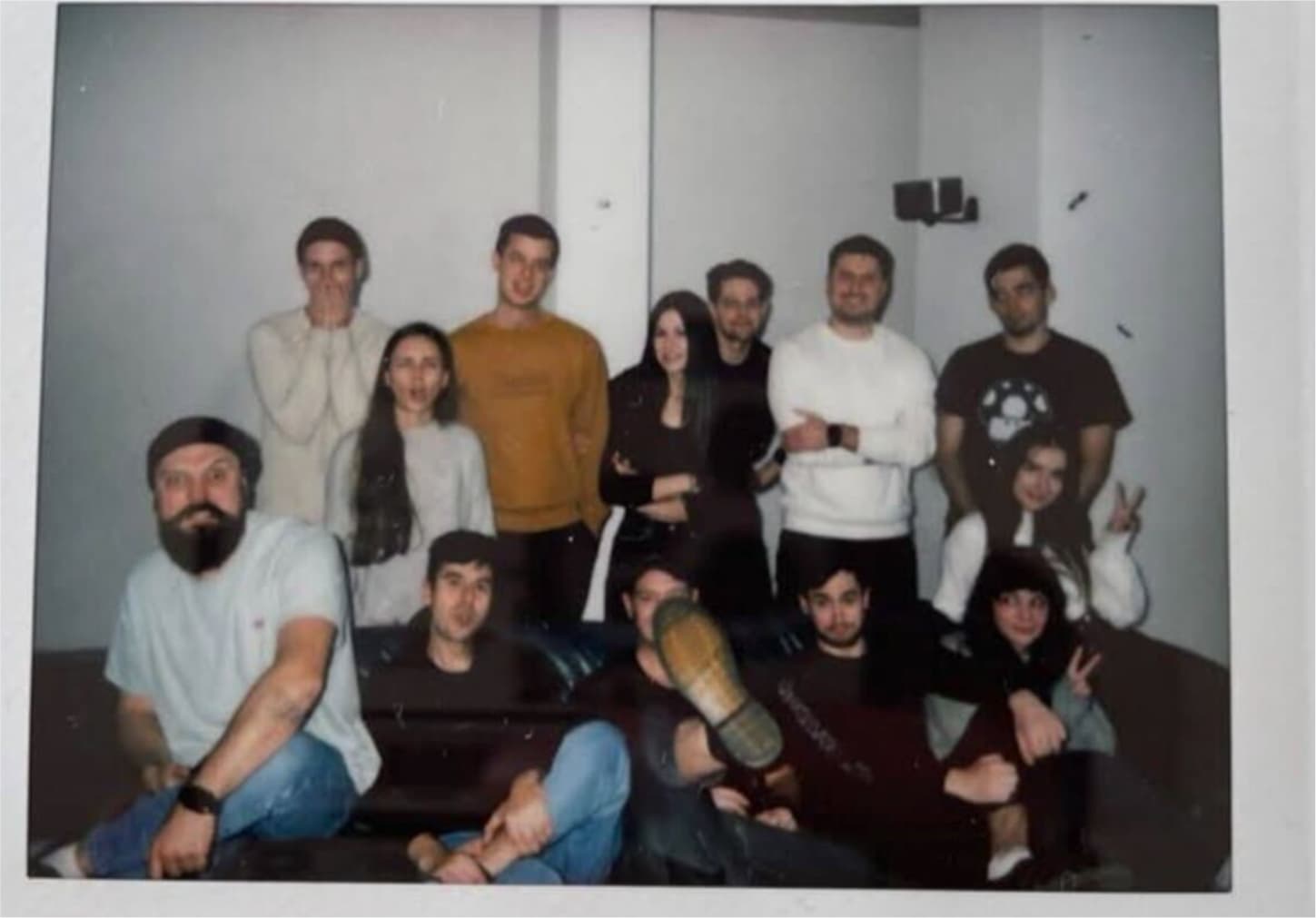
Dima Lepokhin, a project manager, and Stan Yakusevych, a graphic designer, met on a shared project. They liked working together and decided to build something of their own.

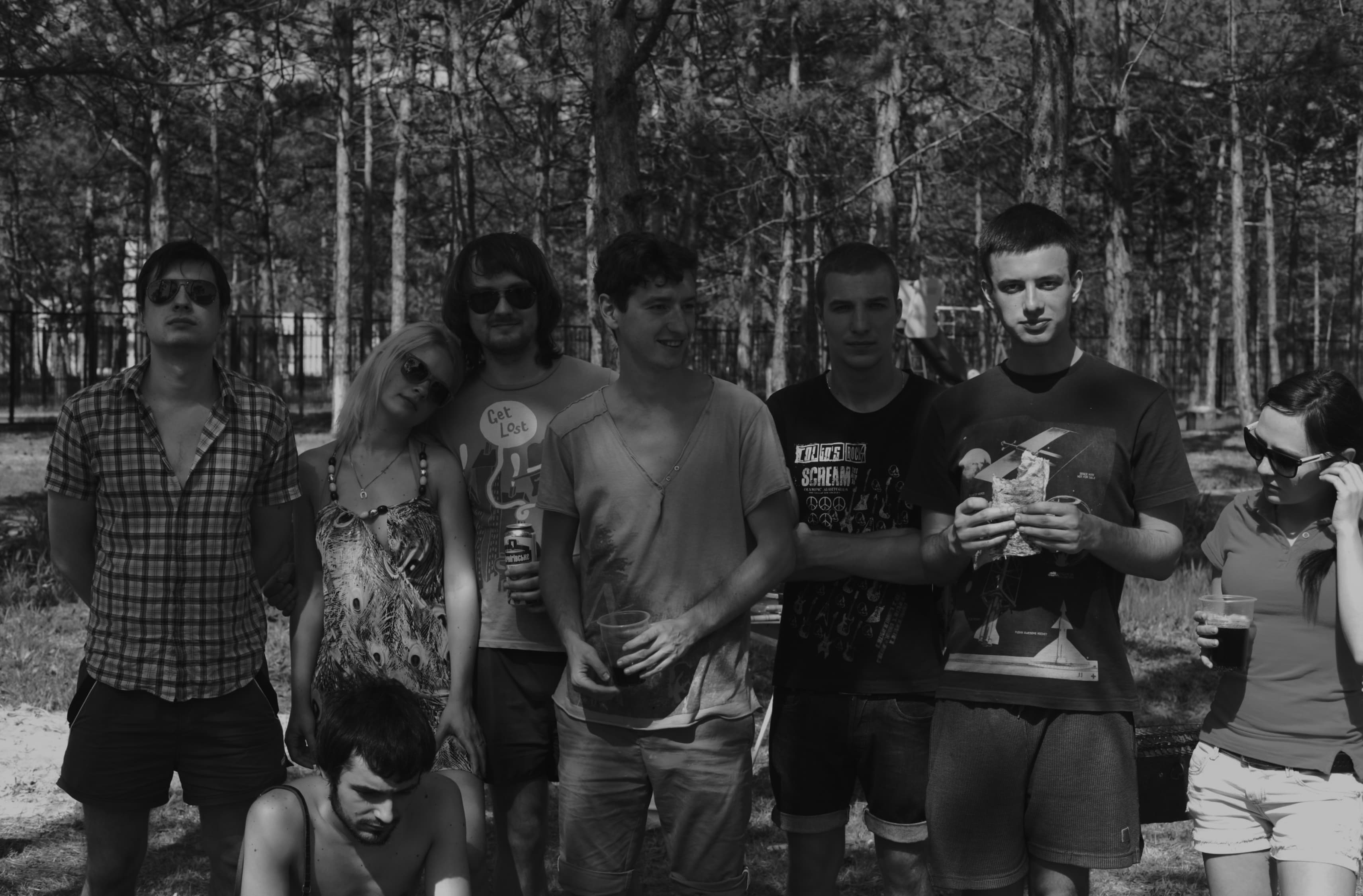
Founding: 3P - Pizza, paint, and possibilities
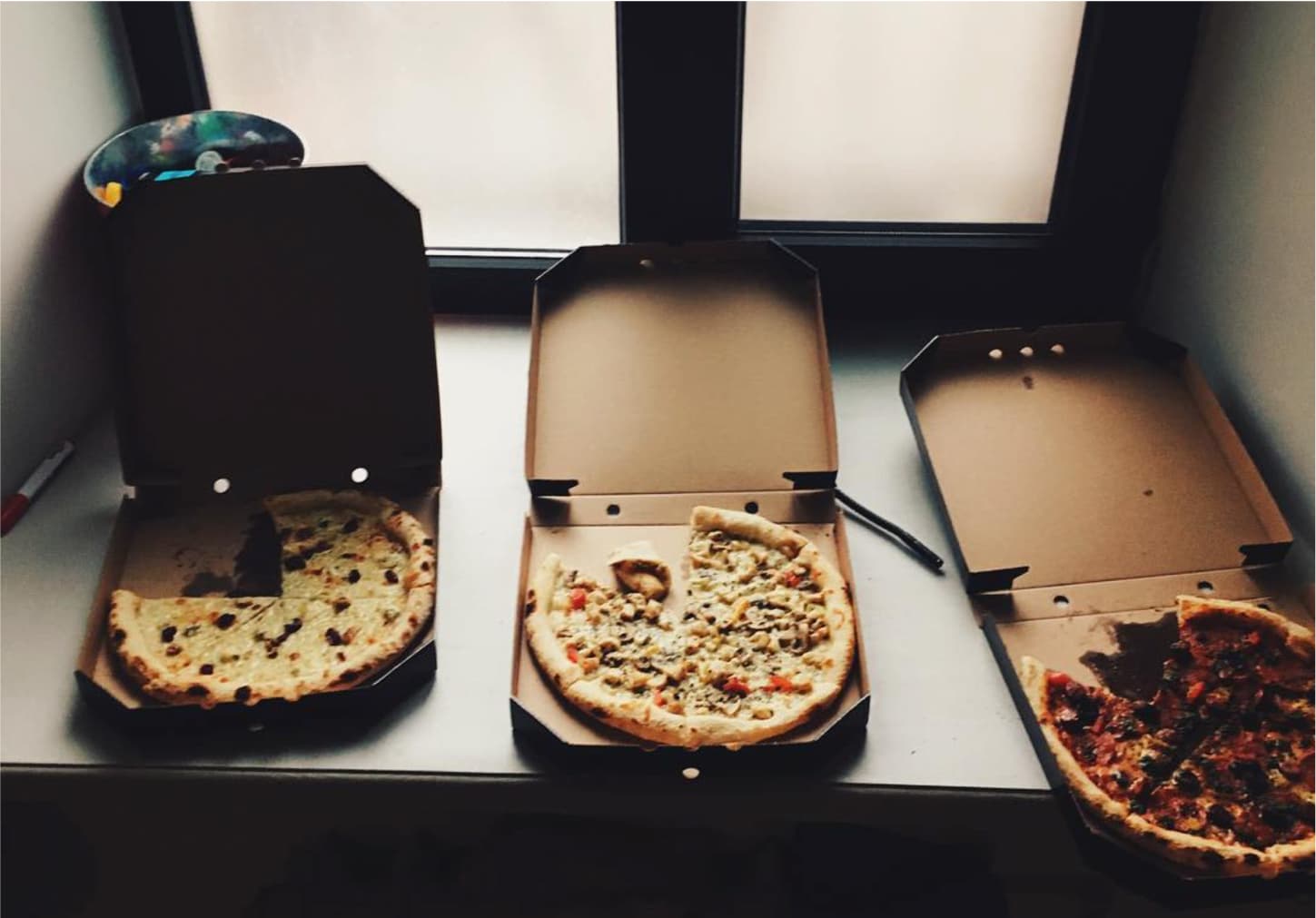
We painted the office walls. Stan ordered endless pizzas (Rustika and Bolognese, always). A real estate agent shouted through the window during important calls. We made flashy brochures that never brought in a single customer.
We were learning how to run a studio by running one. Working with friends, taking on more than we had agreed to, and earning more experience than money.
SaaS dive-in
We built our own project management tool as a SaaS product. Working on it showed us how differently designers and developers could see the same screen.
We noticed different things and asked different questions. For the developers, switching from code to visual decisions meant stepping out of one kind of thinking and into another. We began looking more closely at design systems.
The design system years
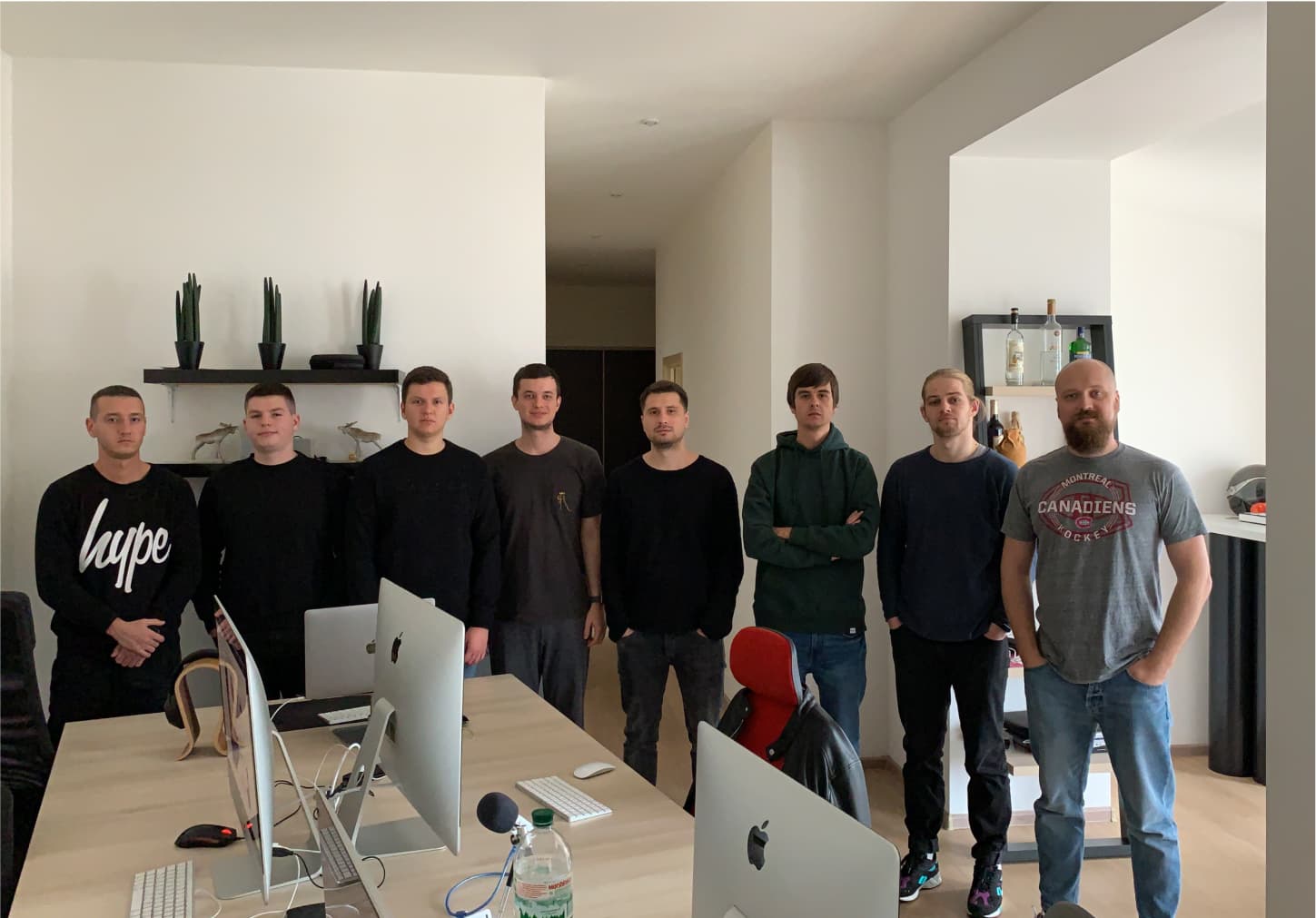
We built Pulse, our own design system, and spent the next few years building systems for other teams. The studio grew, and we moved into a new office.
Over time, we started asking what we were documenting. Organising design was useful, but it could also feel like taking careful notes on something that had little to say.
We needed to understand the founder, the company they wanted to build, and what made it special. That understanding had to shape the identity before we could build a system around it.
Remote era
In 2022, Russia’s full-scale invasion of Ukraine put our lives in danger and made the Odesa office inaccessible. We continued as a remote team.
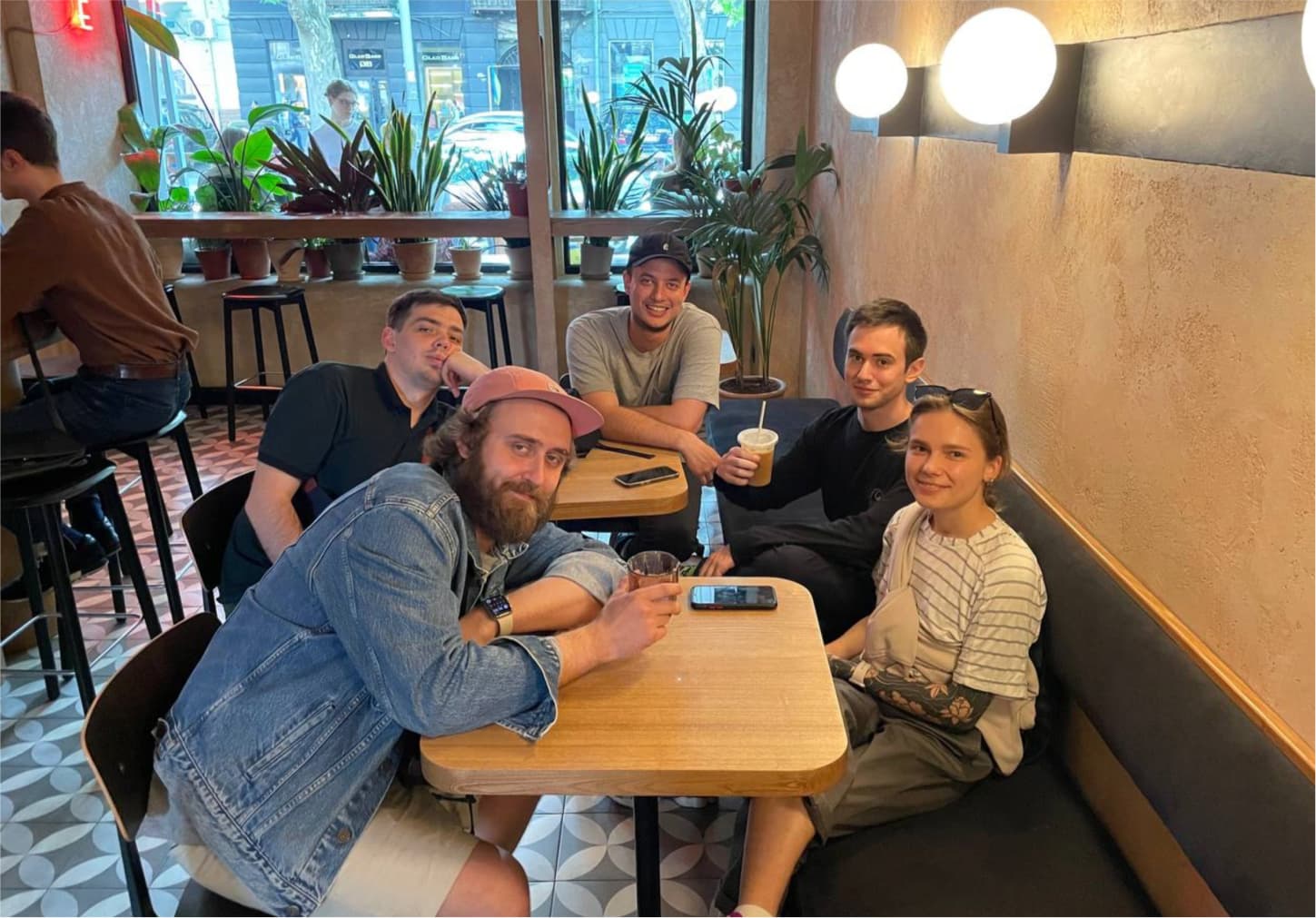
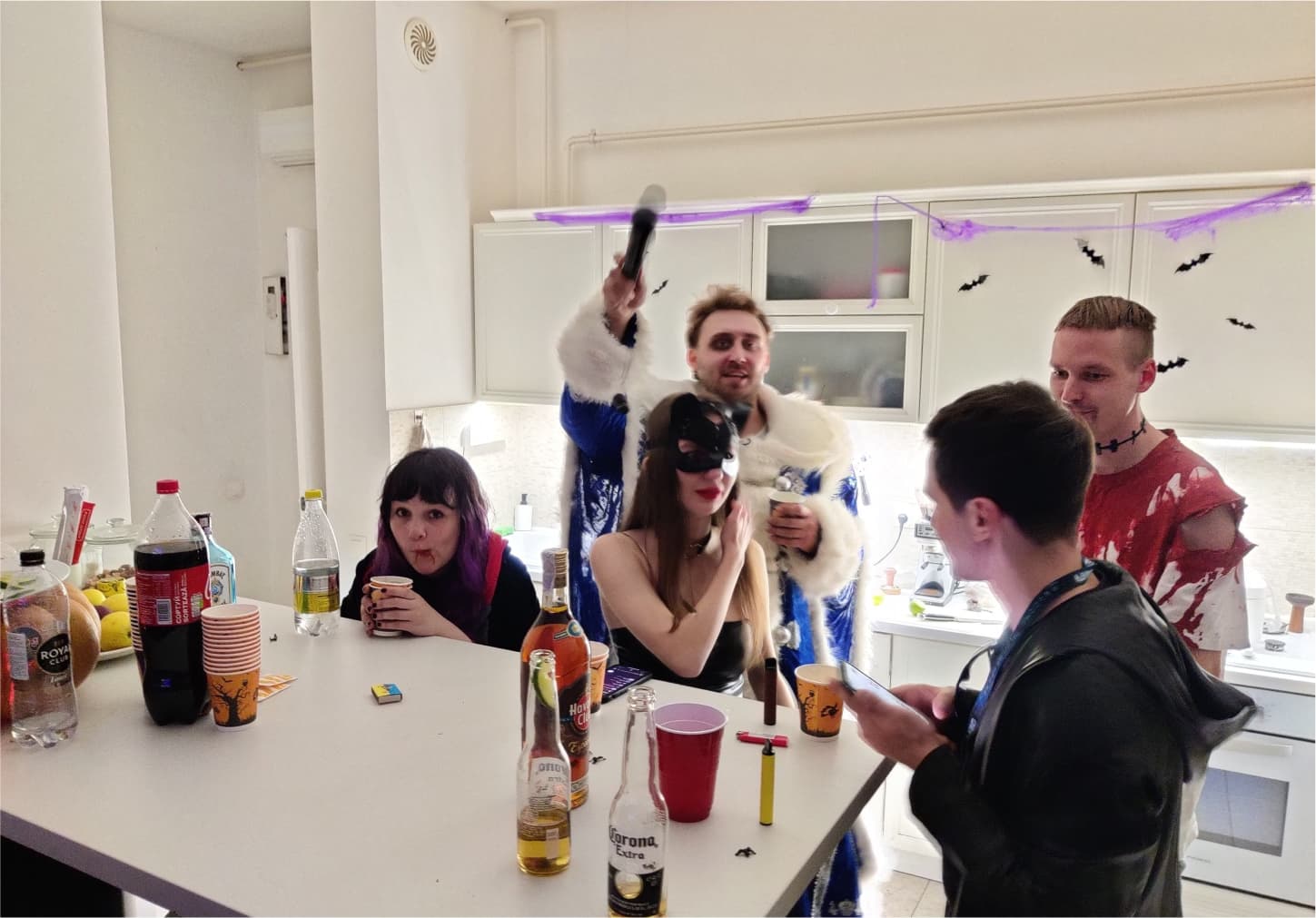
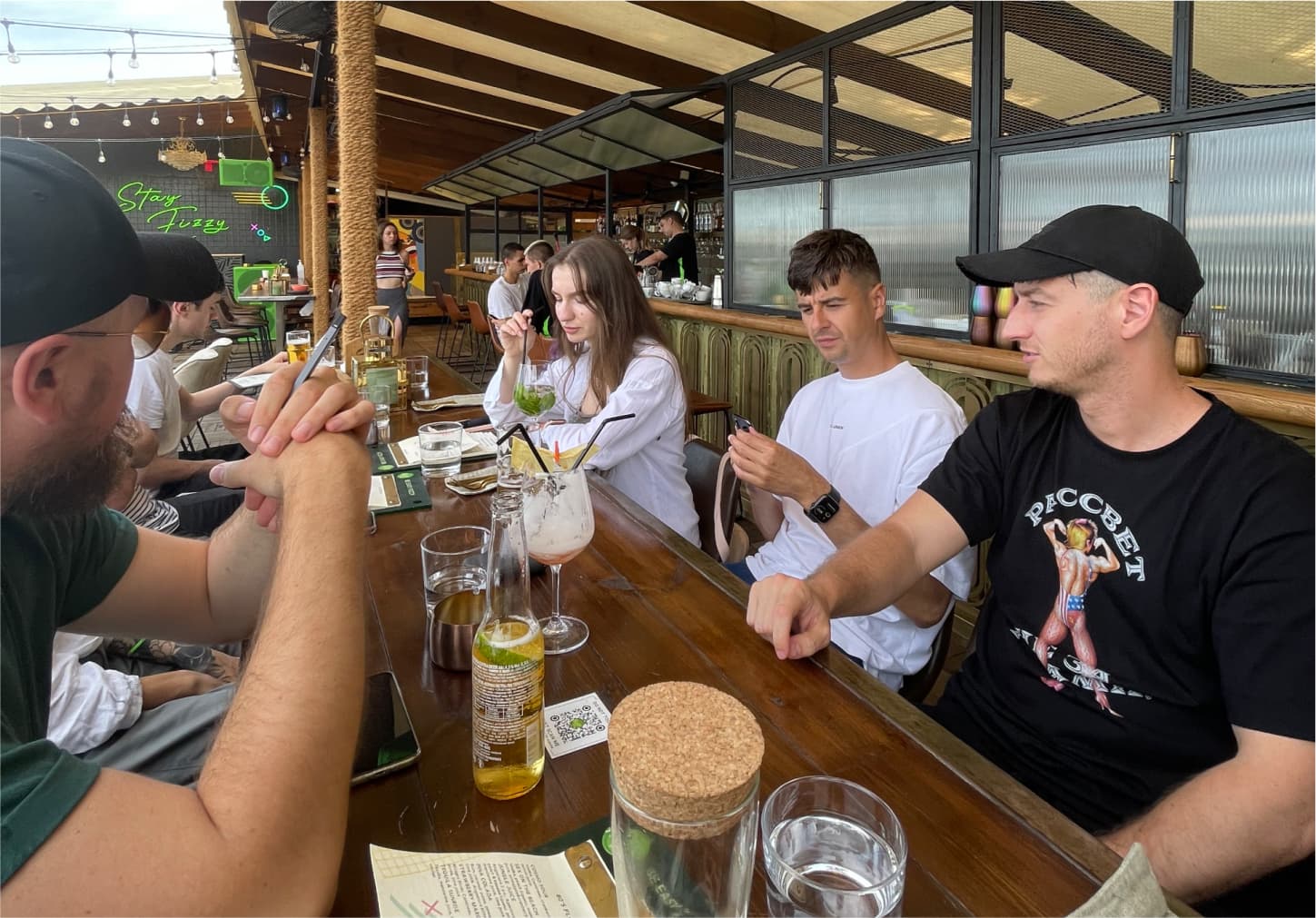
Monday calls helped us stay connected despite the distance and the danger.
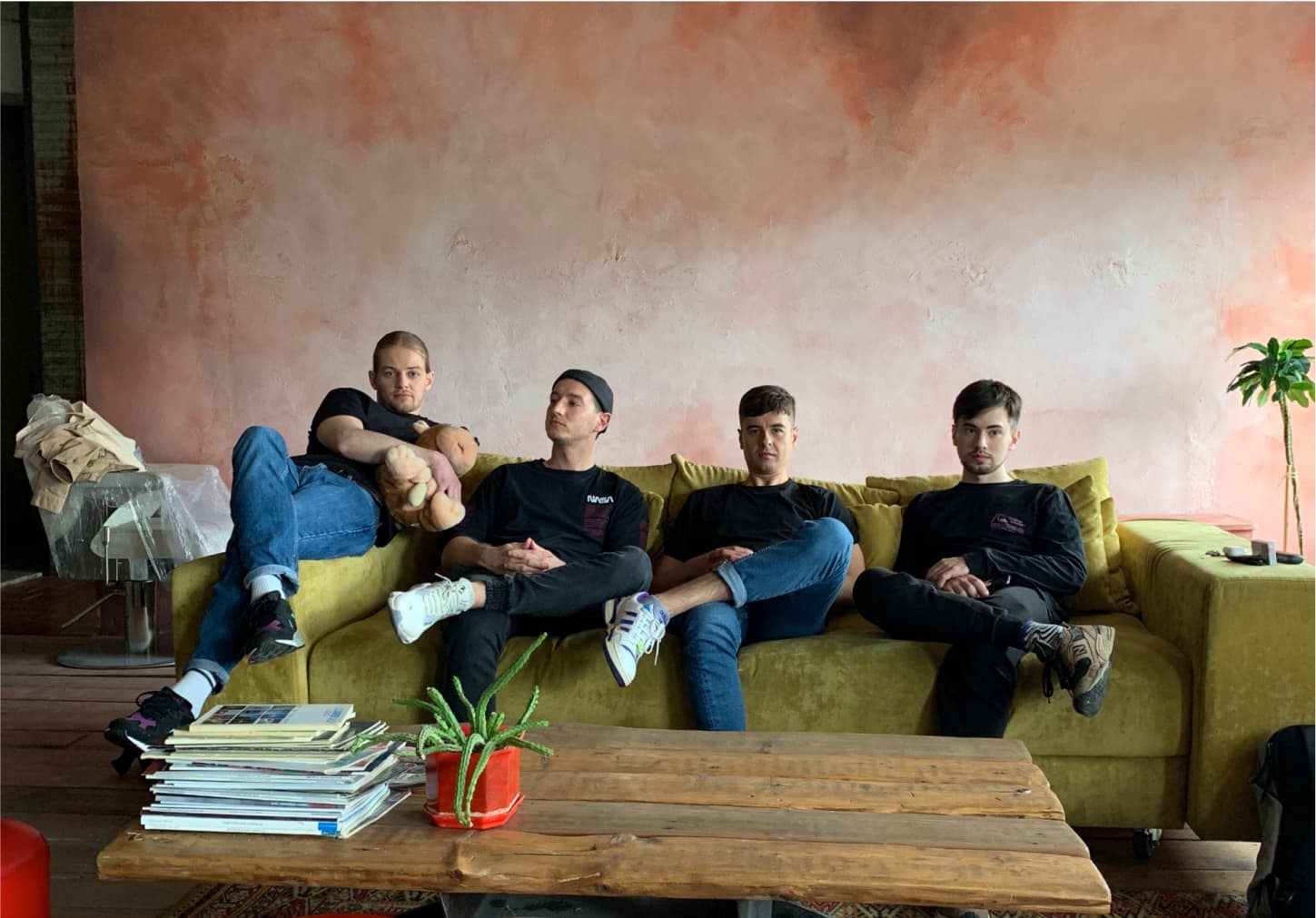
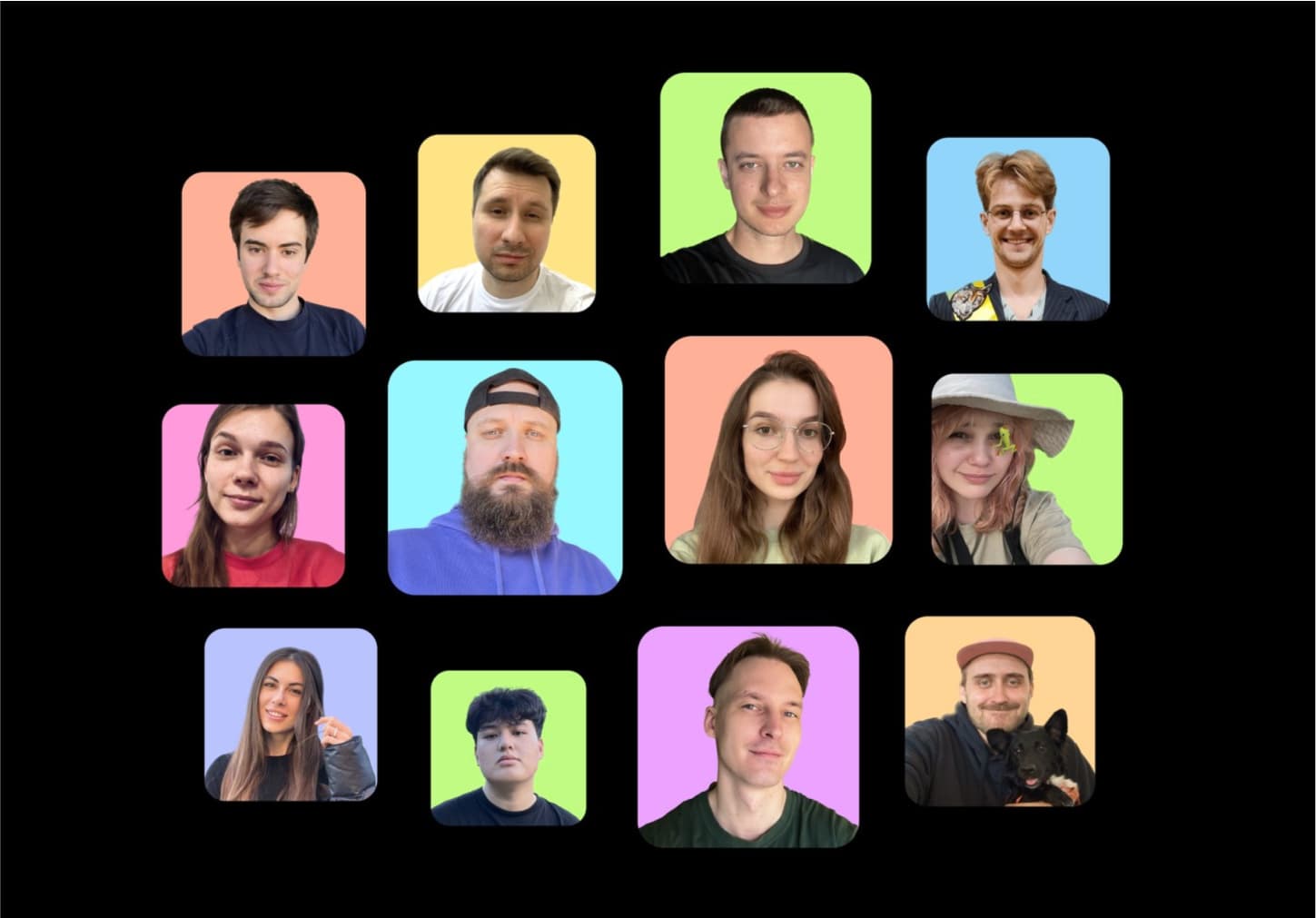
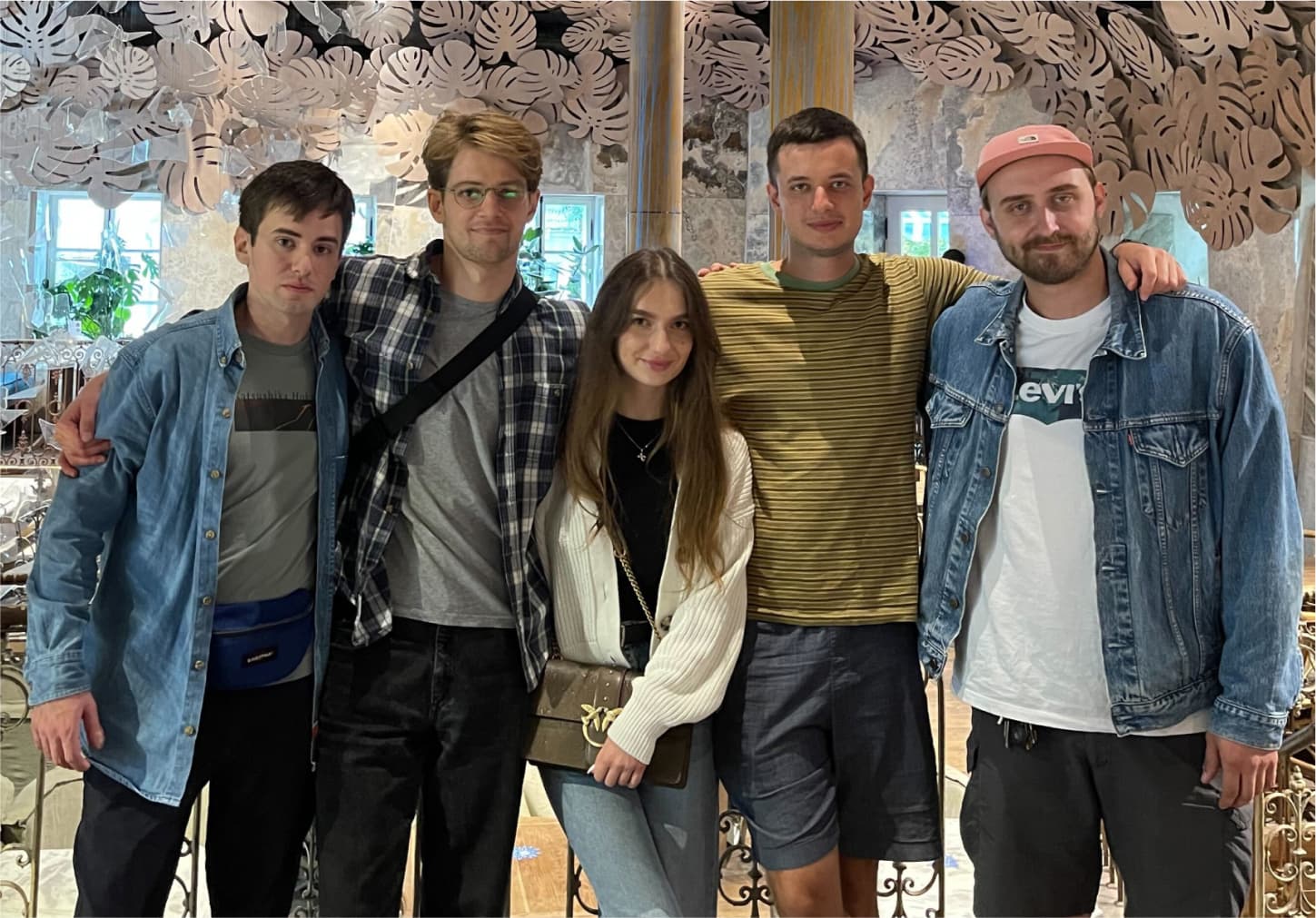
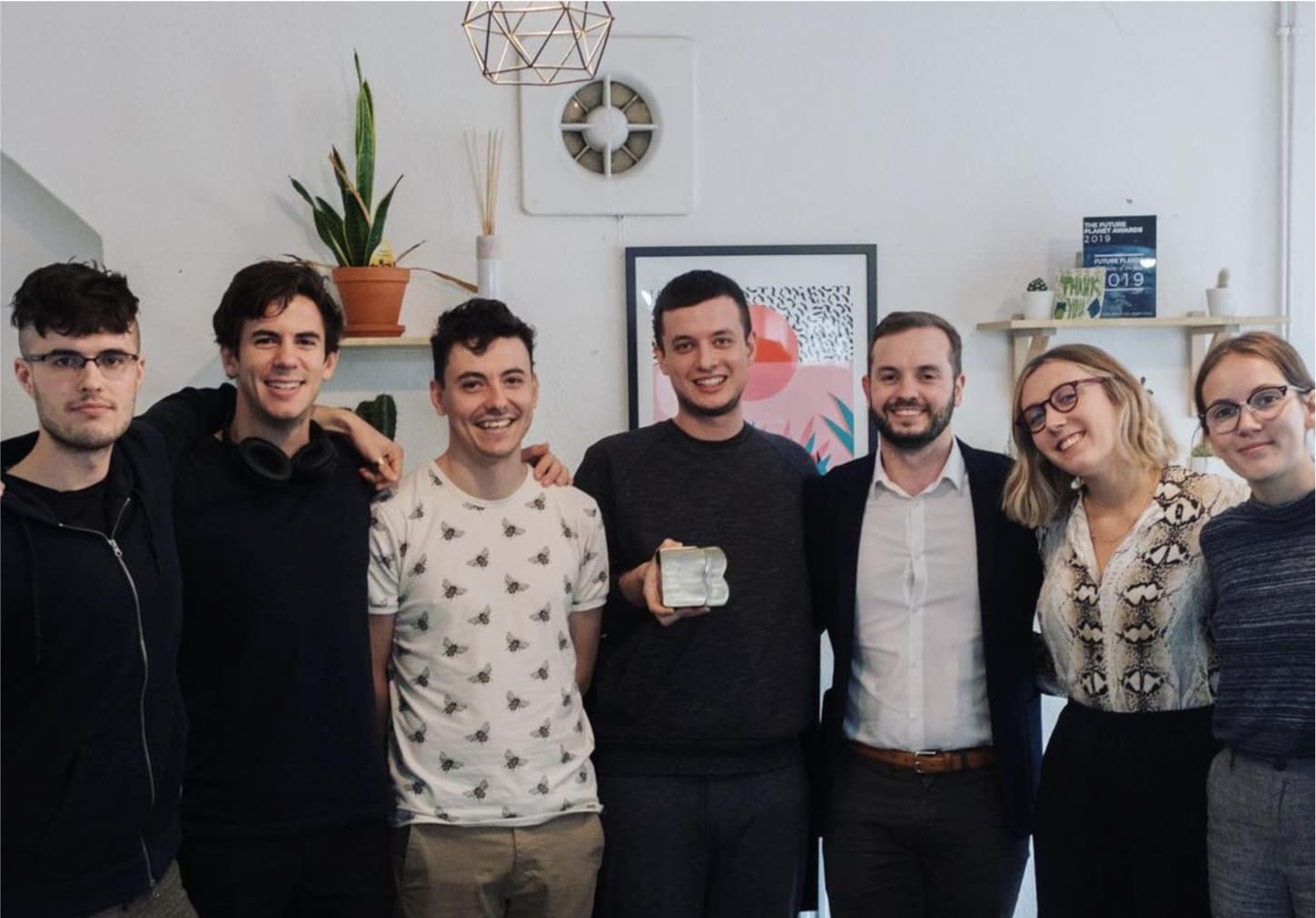
Today, seven senior designers work directly with founders and their teams. Dima stays involved as the product owner on every project. We look for what the company wants to become and give it a character people can recognise and build around.
We still build systems. Now they carry that character into the website, product, and the work a team makes next. AI helps teams use and extend them; the creative direction remains our responsibility.